
Nov 25, 2026
By Goodnight Staff 
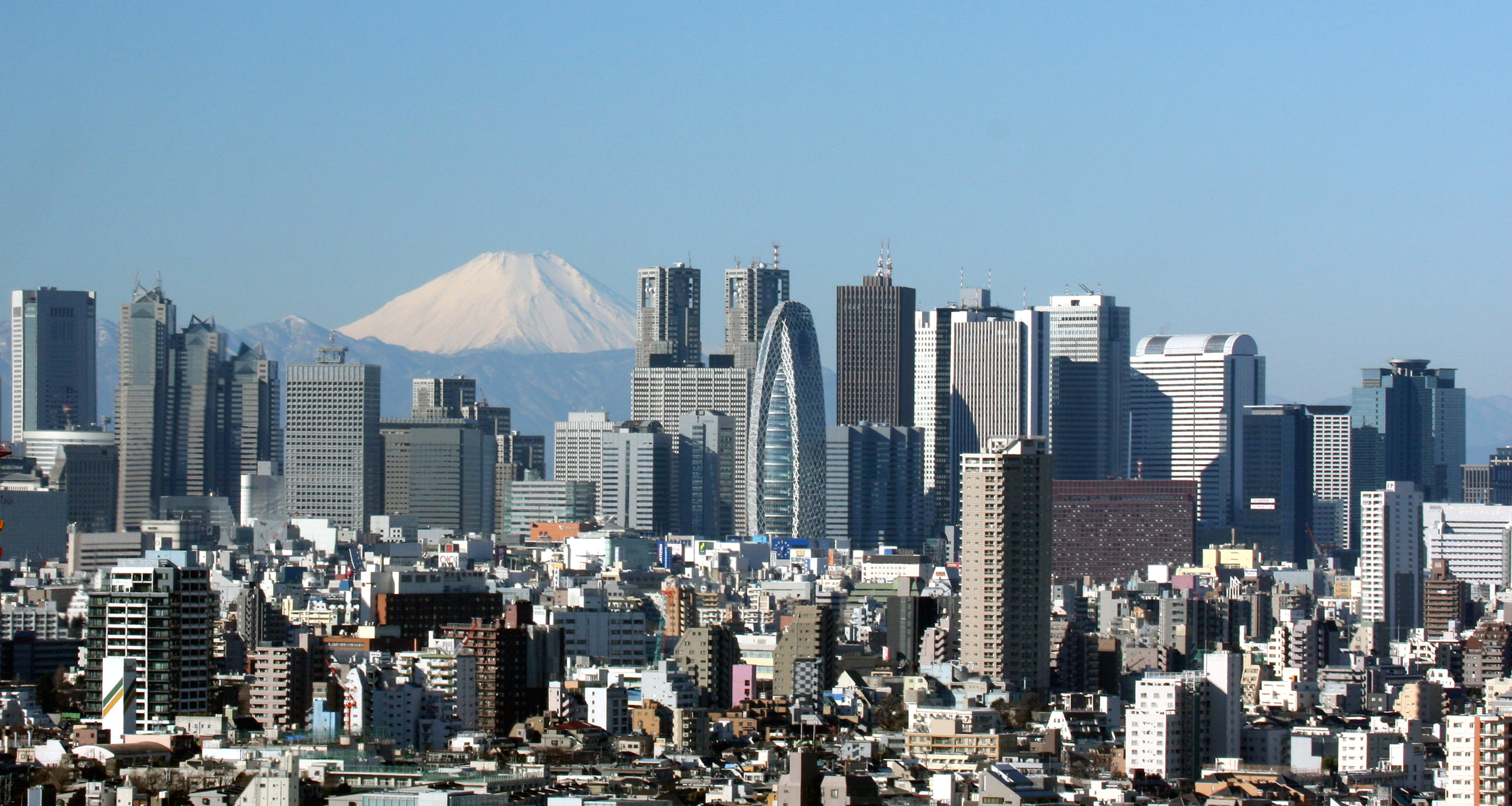
Tokyo is so big that it feels less like a single city and more like a collection of cities. Tokyo Metropolis is home to roughly 14 million people, while the wider Greater Tokyo area reaches somewhere between 37 and 40 million, depending on where you draw the line.
And yet, unlike many large modern urban cities Tokyo has kept its historical DNA. Buddhist temples and traditional Japanese buildings are woven right into city architecture making the city surprisingly resistant to the bland gray themes that make up most modern cities.
That mix is the reason more than 28 million tourists visit Tokyo each year. Sensō-ji, Tokyo's oldest temple, was founded in the 7th century, and its five-story pagoda sits just a short train ride from modern icons like Shibuya Crossing and Akihabara, the anime capital of the world. Tokyo is a cultural and historical mosaic that is second to none.
With so much on offer, the hardest part is knowing where to start.
Here are the top 10 things to see and do in Tokyo, from must-see landmarks to the experiences that make this city unforgettable.
Beyond the bright lights and towering skyscrapers, Tokyo has a rich history that can be seen in its temples, shrines and historic landmarks. These places offer a glimpse into Japan's traditions, its imperial past and the cultural practices that continue to shape the country today.
source: wikimedia
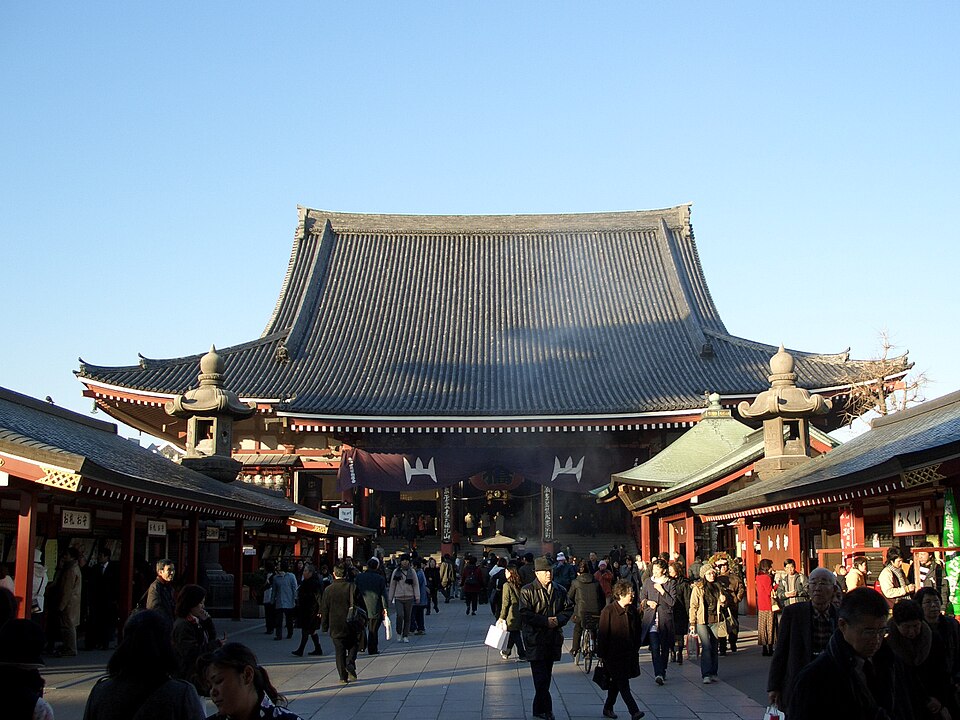
Built in the 7th century Sensoji temple is an historical marvel whose beauty and historical significance has withstood the test of time. Legend has it that two fishermen discovered a small statue of Kannon in the Sumida River, leading to the establishment of the temple. Over time, Senso-ji became an important spiritual center for Edo, the city now known as Tokyo.
Most visitors approach Senso-ji through Kaminarimon, the iconic outer gate marked by its large red lantern. The gate immediately opens to the busy Nakamise street lined with stalls selling traditional snacks, sweets, souvenirs, and crafts. This is the perfect place to pick up something to eat or a souvenir to carry back home.
At the end of Nakamise street you will find the main hall: the spiritual center of Senso-ji and an active place of worship. Visitors can observe people offering incense, making prayers, and drawing omikuji (paper fortunes). You are also encouraged to waft incense smoke which is traditionally believed to bring good health.
Besides the main hall stands the five-story pagoda which, while not open to the public, is an important visual landmark and a popular photo spot. Smaller shrines, statues, and plaques are scattered throughout the grounds, rewarding visitors who take time to explore beyond the central path.
Senso-ji is also surrounded by a mix of traditional shops, casual eateries, and historic streetscapes. Hotels such as Onyado Nono Asakusa Bettei and the Gate Hotel also offer a perfect place to spend the night after a busy day in the temple.
The best thing about the temple is the price. It's absolutely free! The main hall is open from 6:00 a.m. to 5:00 p.m. from April to September, and from 6:30 a.m. to 5:00 p.m. from October to March. The temple grounds themselves are open 24 hours a day, but the main hall and Nakamise Street shops are closed at night.
source: wikimedia
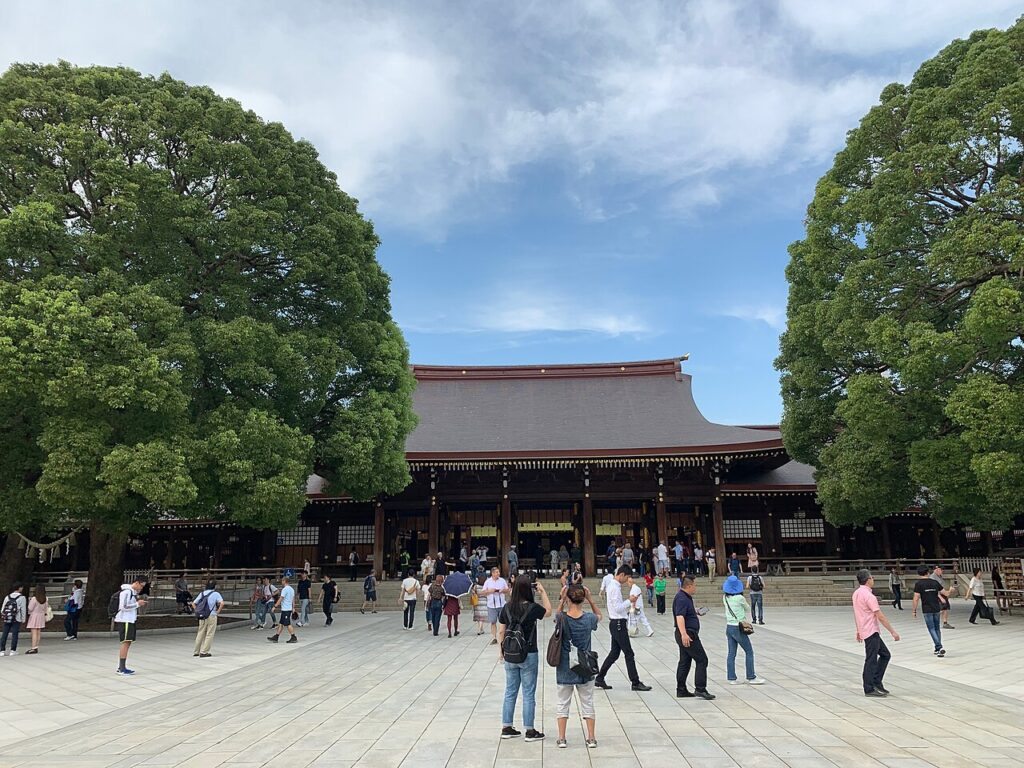
Located right in the heart of Tokyo is the Meiji shrine. This Shinto shrine is dedicated to Emperor Meiji and Empress Shoken who spearheaded the modernization of Japan.
What makes the shrine special is its setting. The shrine is surrounded by lush greenery which stands in contrast to the bustling Tokyo city and has thus become a favourite destination for tourists looking for a more relaxed atmosphere.
Meiji holds many festivals including the end-of-the-year Joya Sai ritual on December 31st where more than 3 million visitors swarm the area in the hope of good fortune for the coming year.
You can take part in traditional rituals such as making offerings, praying and writing your wishes on ema tablets.
Admission to the shrine is free, though the Inner Garden and the museums charge a fee. The shrine is open every day from sunrise to sunset, so closing time shifts with the seasons. Arrive earlier in winter.
Source: wikimedia
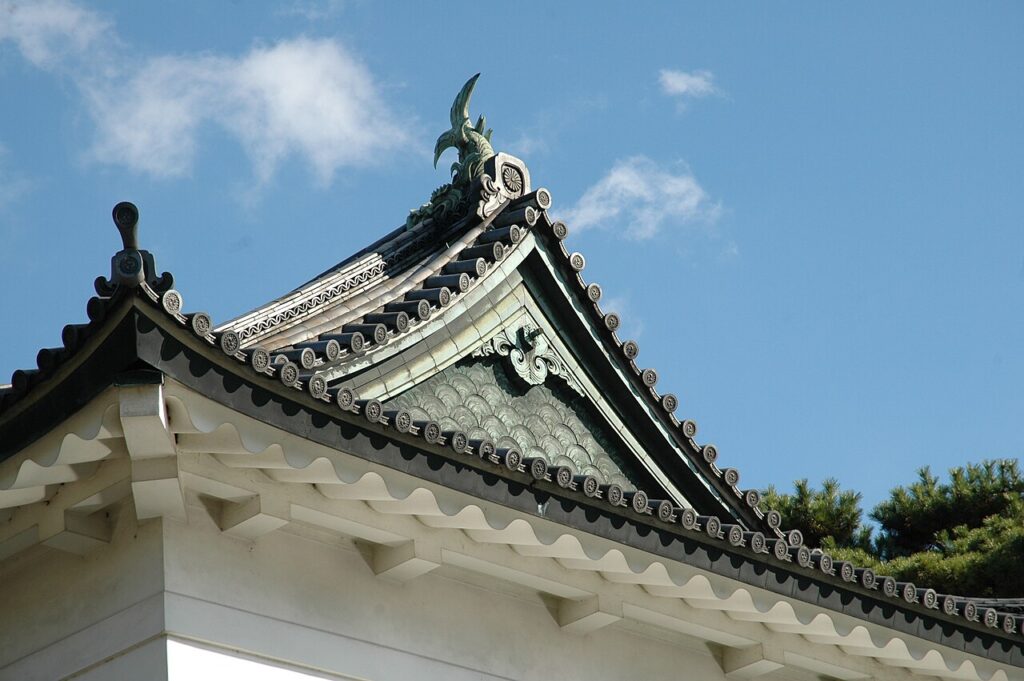
If you want a glimpse into Tokyo and Japanese history, the Imperial Palace is a must-see. It sits on the former site of Edo Castle, once the seat of the Tokugawa shogunate, and is surrounded by moats, massive stone walls and expansive gardens in the heart of Tokyo, just a short walk from Tokyo Station.
Edo castle used to be the seat of the Tokugawa shogun until 1868 when the shogunate was overthrown. In that year the country’s capital was moved from Kyoto to Tokyo. Building the whole palace was completed 20 years later.
While the inner palace grounds are generally restricted, guided tours are offered on certain days, allowing visitors to explore parts of the palace grounds. The Imperial Family also makes public appearances on January 2 and the Emperor's Birthday, February 23, when visitors are allowed into designated areas of the inner grounds.
Visitors can explore the Outer Gardens and admire Nijubashi, the famous bridge near the main palace entrance. The East Gardens are also open to the public on designated days, offering a chance to explore former castle grounds, historic stone walls and landscaped gardens.
Guided tours of the palace grounds are also offered during the rest of the year, but do not enter any buildings.
But Tokyo isn't just about history and tradition. It is also one of the most technologically advanced and vibrant cities in the world. From towering skyscrapers and neon-lit streets to anime culture and immersive digital art, the city offers experiences that feel worlds apart from its quieter temples and shrines. These are some of the places that capture Tokyo's modern spirit.
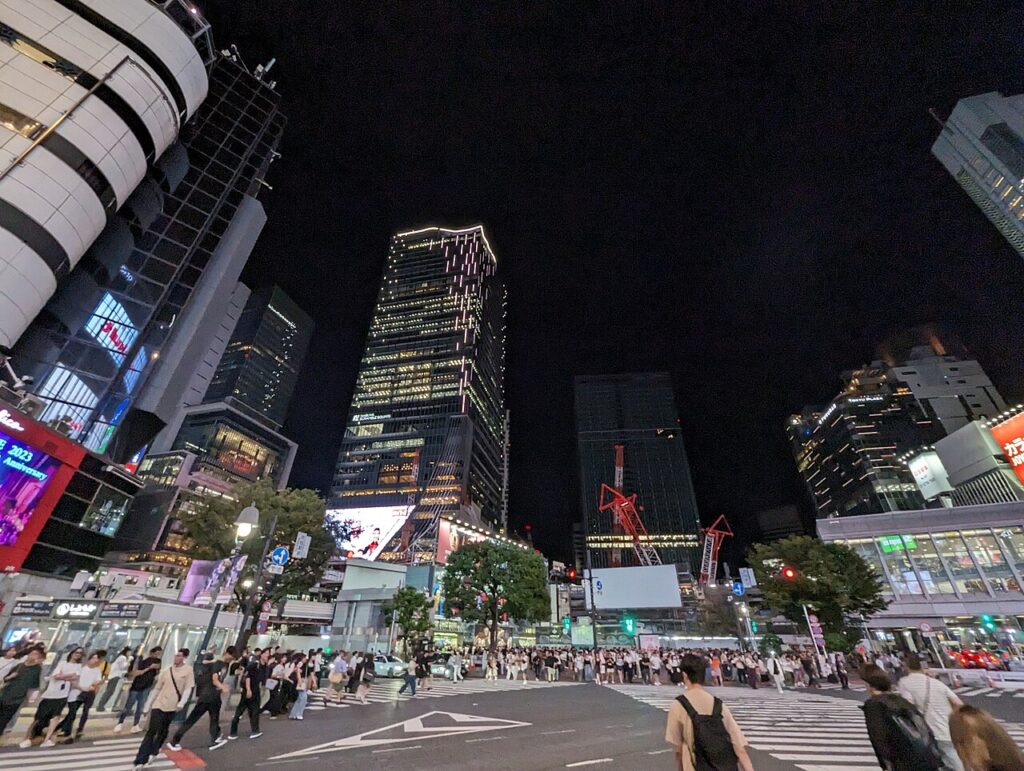
source: wikimedia
Few places capture the energy of modern Tokyo quite like Shibuya Crossing. Located just outside Shibuya Station, this famous intersection is one of the busiest pedestrian crossings in the world. Every time the traffic lights turn red, thousands of people cross from all directions, creating a spectacle that has become synonymous with Tokyo.
The best way to experience Shibuya Crossing is simply to walk across it yourself. Once you're done, visit the nearby Hachiko statue, a tribute to the loyal dog who waited for his owner at the station for nearly 10 years after his death. The statue has since become a popular meeting point for locals and tourists alike.
If you want a better view of the crossing, head to SHIBUYA SKY, a rooftop observation deck offering panoramic views of Tokyo from 229 meters above the ground. You can also explore Center-Gai, a lively shopping and entertainment street lined with restaurants, fashion stores and arcades.
Shibuya Crossing is free to visit and accessible directly from Shibuya Station's Hachiko Exit. It's particularly impressive in the evening when the surrounding buildings light up with neon signs and giant screens.
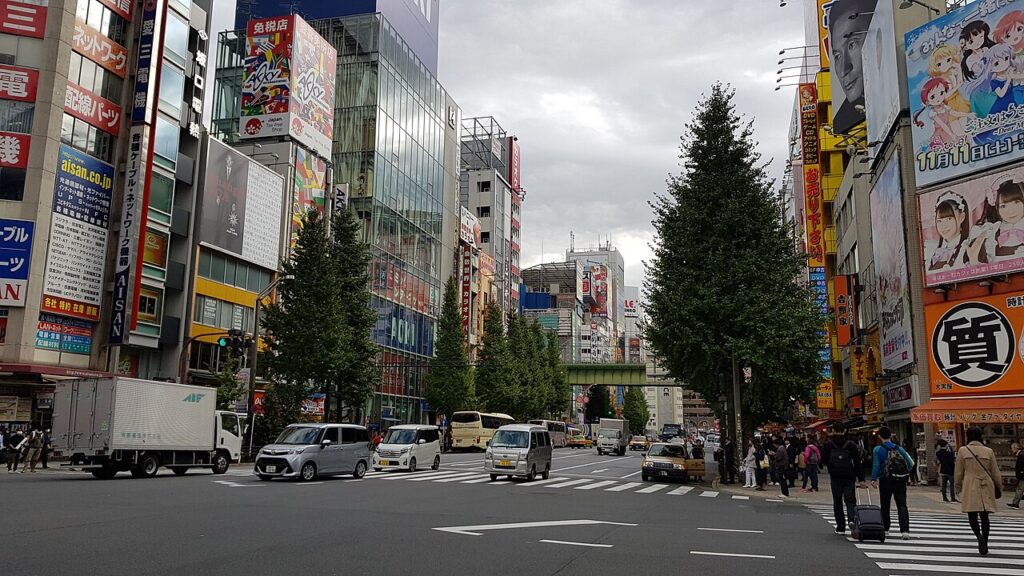
Source: wikimedia
If you're an anime fan, Akihabara is one of those places you simply have to visit. Known as Tokyo's Electric Town, the district has transformed from a hub for electronics and computer shops into the heart of Japan's anime, manga and gaming culture. Walking through its streets feels like stepping into another world, with colourful billboards, themed stores and anime characters plastered across buildings.
Akihabara is home to dozens of anime and manga stores where you can find everything from figurines and posters to manga volumes, collectibles and merchandise from your favourite series. You can also visit gaming arcades, try capsule toy machines or explore retro gaming stores selling classic consoles and games.
The best way to experience Akihabara is to take your time exploring its main streets and smaller alleys. You never know what hidden gem you might discover along the way. Akihabara is easily accessible via Akihabara Station and is free to explore, although shopping, arcades and cafes will cost you.
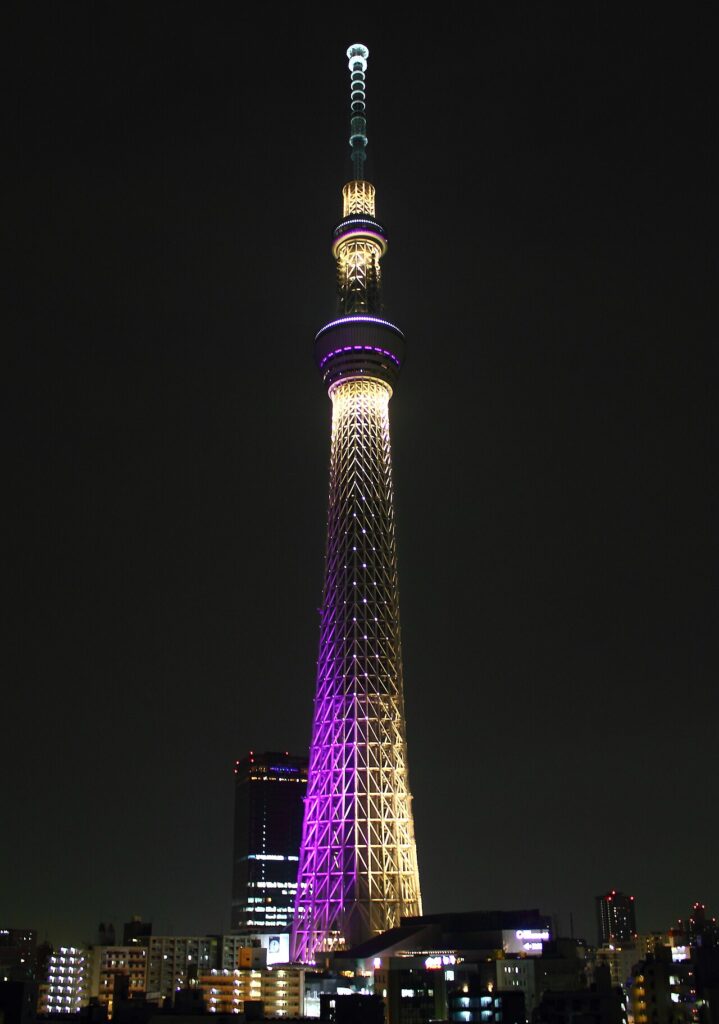
Source: wikipedia
Standing at an impressive 634 metres, Tokyo Skytree is one of the most recognizable landmarks in the city. Opened in 2012, it was built primarily as a broadcasting tower to improve television and radio signals across Tokyo, where the growing number of skyscrapers was beginning to interfere with transmission. Today, it has become one of the city's most popular tourist attractions.
The main highlight is the observation decks, which offer breathtaking views of Tokyo and the surrounding region. The Tembo Deck sits 350 metres above the ground, while the higher Tembo Galleria takes you up to 450 metres. On a clear day, you may even catch a glimpse of Mount Fuji in the distance. The glass floors also offer a thrilling view straight down to the streets below.
There's plenty to enjoy at the foot of the tower too. Tokyo Solamachi is a large shopping and entertainment complex with hundreds of shops, restaurants and souvenir stores. You can also visit the nearby Sumida Aquarium or planetarium.
Tokyo Skytree is easily accessible from Tokyo Skytree Station or Oshiage Station. Observation deck tickets are paid, and booking ahead is recommended, especially during busy periods.
source: wikimedia
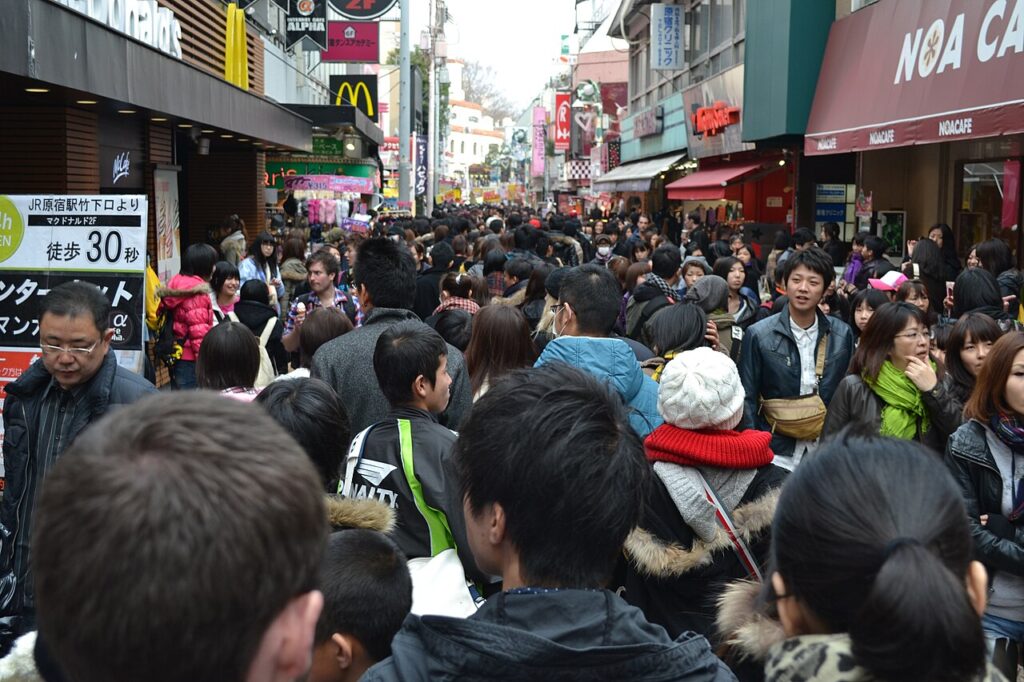
If you want to experience a different side of Tokyo, make your way to Harajuku. Located between Shibuya and Shinjuku, this lively district is famous for its colourful street fashion, quirky shops and vibrant youth culture. It has become one of the best places to see how young Japanese people express themselves through fashion and style.
The best place to start is Takeshita Street, a narrow shopping street lined with clothing boutiques, accessory shops, sweet shops and small restaurants. You'll find plenty of unusual fashion items, colourful accessories and Japanese treats, including the famous Harajuku crepes. Even if you aren't planning to buy anything, walking down the street is an experience in itself.
For a quieter experience, head towards Omotesando, a tree-lined avenue known for its high-end fashion stores, impressive architecture and cafes. You can also explore Cat Street, which has a more relaxed atmosphere and plenty of independent boutiques.
Harajuku is easily accessible from Harajuku Station and Meiji-jingumae Station. Exploring the district is free, although you'll probably want to set aside some money for shopping and food. Weekends can get particularly busy, especially along Takeshita Street.
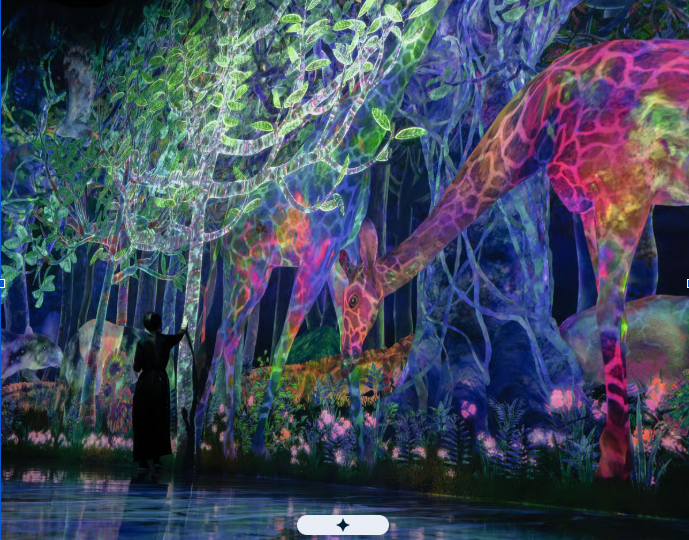
Source: teamplanets
Located in Toyosu, this unique digital art museum combines technology, art and nature to create an experience that you won't find in many other places.
Unlike traditional museums, visitors don't just walk around looking at paintings. You become part of the artwork itself. Some installations feature colourful digital lights that respond to your movements, while others allow you to walk through water surrounded by digital koi fish. One of the highlights is the flower garden, where thousands of real flowers create an almost dreamlike setting. There are also impressive rooms filled with endless reflections and colourful lights.
One thing that makes teamLab Planets particularly interesting is that visitors explore some of the installations barefoot, with water reaching up to knee height in certain areas.
The museum is located a short walk from Shin-Toyosu Station. Admission is paid, and booking tickets in advance is recommended, as entry is organised around specific time slots.
Tokyo is a city that has something for everyone. There's always something new to discover. The best part is that these experiences are just a small taste of what the city has to offer. So take your time, explore its different neighbourhoods and enjoy everything Tokyo has waiting for you. Your adventure starts here!
We’re excited to be working on helping you find the best hotel deals. Stay tuned.